HVAC Services: Your Comfort Is Our Priority
HVAC systems perform an crucial role in maintaining indoor comfort. They manage air quality and temperature, influencing overall wellness. However, many homeowners miss the signs of potential issues. Recognizing these signs is critical for proper management. Routine maintenance and timely repairs can avoid more significant problems down the line. But how does one identify the right providers? The answers may surprise you and could revolutionize your indoor experience.
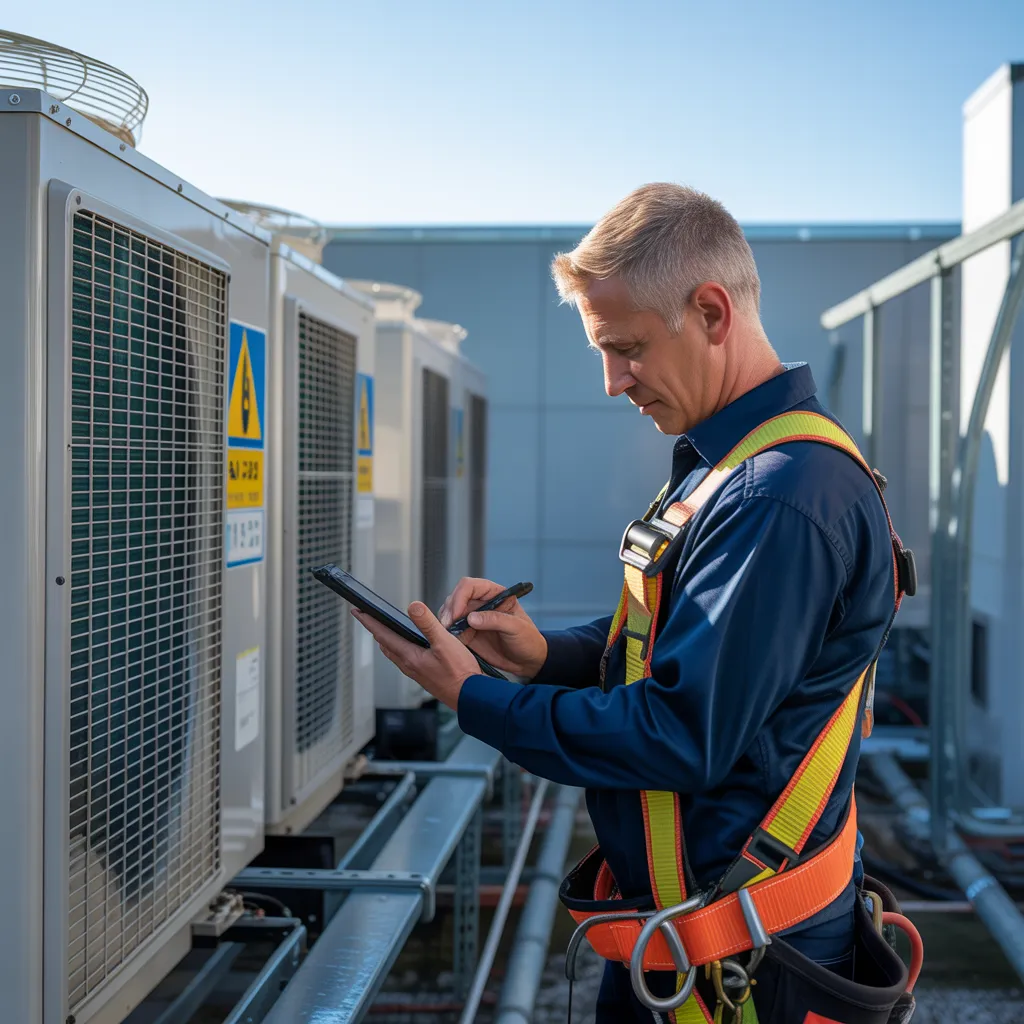
Why HVAC Systems Matter for Your Comfort
HVAC systems play a vital role in preserving interior climate control throughout the year. These systems control temperature, humidity, and air quality, guaranteeing a pleasant environment independent of external weather conditions. In summer, air conditioning offers comfort from heat, while heating systems counteract the chill of winter. Proper ventilation is essential, as it eliminates stale air and brings in fresh air, which contributes to overall well-being.
In addition, HVAC systems boost energy optimization by fine-tuning energy consumption, resulting in lower utility bills. A consistently maintained system operates quietly and effectively, curtailing interruptions in daily life. The filtration systems also play a significant role in elevating interior air standards by capturing particles, allergens, and contaminants, enhancing breathing health. Therefore, a solid HVAC system is not merely a convenience; it is a indispensable element for enhancing comfort, health, and energy efficiency within household and commercial facilities.
Guide to Identifying HVAC Problems Promptly?
How can one identify HVAC problems before they become severe? Early identification is vital for maintaining a comfortable environment. One of the first signals of issues is unusual noises, such as knocking or fizzing, which may indicate mechanical failures. Furthermore, uneven temperatures throughout the home can indicate air duct issues or an inefficient thermostat. Homeowners should also be watchful for offensive odors, which could point to mold growth or electrical issues in the system.
A further indicator is a spike in energy bills. If costs surge unexpectedly, it may be attributable to the HVAC system operating harder than called for. Checking air filters on a routine basis is critical, as obstructed filters can compromise performance. In conclusion, moisture or water seepage near the system can suggest coolant complications or drainage issues. Through observing these warning signs, one can handle HVAC issues swiftly, upholding peak performance and comfort.
Necessary HVAC Systems for Your Home
In examining vital HVAC services for homes, understanding the importance of routine maintenance becomes critical. Additionally, energy efficiency upgrades can greatly reduce utility costs while improving comfort. urgent repair assistance are also critical, ensuring that homeowners can quickly address unexpected issues.
Regular Maintenance Importance and Benefits
Regular upkeep is crucial for guaranteeing the durability and efficiency of heating, ventilation, and air conditioning systems. Without routine check-ups, minor issues can progress into costly repairs or replacements. Scheduled maintenance enables technicians to inspect and service components, ensuring peak functionality. This proactive approach not only lengthens the life of the equipment but also improves indoor air quality by eliminating dust and allergens. Additionally, regular maintenance aids in spotting potential problems before they interfere with system performance, offering peace of mind to homeowners. Adhering to a maintenance schedule can also improve energy efficiency, leading to lower utility bills. Ultimately, investing in routine HVAC maintenance safeguards comfort and promotes a healthier living environment.
Energy Conservation Enhancements
Energy efficiency upgrades contribute an important role in boosting HVAC systems for homeowners. These enhancements not only cut energy consumption but also reduce utility bills, making them a prudent investment. Common upgrades include the installation of programmable thermostats, high-efficiency filters, and advanced insulation. Homeowners may also consider replacing outdated units with Energy Star-rated equipment, which offers improved performance and reduced environmental impact. Additionally, sealing ductwork can reduce energy loss, ensuring that conditioned air reaches its intended spaces. By implementing these upgrades, homeowners can boost comfort levels while contributing to sustainability efforts. Ultimately, investing in energy efficiency not only benefits individual households but also promotes a healthier planet for future generations.
Urgent Maintenance Solutions
When HVAC systems fail, prompt urgent fixing services become essential for homeowners. These unexpected breakdowns can lead to distressful living conditions, particularly during extreme weather. Qualified technicians are equipped to diagnose and fix issues swiftly, restoring comfort and safety to the home. Services typically include around-the-clock service, guaranteeing help is always just a call away. Common emergencies involve malfunctioning air conditioners, heating failures, and refrigerant leaks, which, if left unattended, can escalate into more significant problems. Homeowners benefit from quick response times and expert solutions, minimizing downtime and potential damage. Investing in reliable emergency repair services not only addresses immediate concerns but also supports the longevity and efficiency of HVAC systems. Prioritizing these services guarantees peace of mind year-round.
The Worth of Frequent HVAC Maintenance
Investing in consistent HVAC upkeep enhances system performance and prolongs equipment lifespan. Regular checks and adjustments identify possible problems before they develop into costly repairs. During maintenance visits, technicians clean components, check refrigerant levels, and ensure that all parts are functioning at optimal performance, which can lead to lower energy bills and improved indoor air quality.
Furthermore, regular upkeep can help preserve warranty coverage, as many manufacturers demand proof of consistent upkeep. Homeowners benefit from confidence, knowing their HVAC systems are less likely to break down unexpectedly. This forward-thinking approach not only protects comfort but also contributes to a improved living environment.
Ultimately, the significance of ongoing HVAC maintenance can be found in its capacity to limit disruptions, boost efficiency, and reduce expenses in the long term. By focusing on upkeep, occupants can promise their HVAC systems work optimally for many years forward.
How to Select the Best HVAC Solutions?
handle setup, upkeep, and fixes.
Moreover, acquiring several proposals enables for comparison of pricing and services, ensuring visibility. It is also sensible to ask about warranties and guarantees, which reflect the company's belief in its capabilities. Finally, responsiveness to inquiries can signal a provider's pledge to customer service. By weighing these points, persons can reach an informed choice, ensuring satisfaction and steadiness in their HVAC system.
Improving Indoor Air Quality Using HVAC Systems
Choosing the right HVAC services not only improves comfort but can also greatly impact indoor air quality. A well-maintained system guarantees proper ventilation and filtration, decreasing pollutants such as dust, allergens, and mold spores. HVAC professionals often recommend high-efficiency particulate air (HEPA) filters, which trap microscopic particles more effectively than standard filters.
Regular maintenance, including cleaning ducts and inspecting for leaks, is essential for peak efficiency. This proactive approach prevents the accumulation of contaminants that can compromise air quality. Additionally, advanced HVAC systems like air purifiers and dehumidifiers can notably decrease dangerous contaminants and moisture levels, establishing a healthier indoor environment.
Common Questions Asked
What Constitutes the Average Lifespan of an HVAC System?
An HVAC system's average matching information lifespan usually ranges from 15 to 25 years, determined by factors including servicing, usage, and the system's quality. Regular care can substantially extend its operational longevity.
What signs show whether my system operates with energy efficiency?
To determine if a system is energy efficient, one should examine its SEER rating, review energy bills over time, and seek out professional evaluations. Likewise, consistent maintenance can strengthen efficiency and performance remarkably.
Can You Find Financing Options for HVAC Services?
Many HVAC companies provide payment plans, such as installment plans and credit programs. These solutions allow customers to manage costs effectively, enabling it easier to invest in necessary services while maintaining comfort and efficiency in their homes.
Is it possible for me to put in an HVAC setup personally?
Installing an HVAC system on your own is possible but often not advised. Professional installation guarantees safety, adherence to regulations, and maximum system efficiency. People with no experience may face challenges that could lead to expensive mistakes and suboptimal system functioning.
What Are the Indicators I Need a New HVAC System?
Indicators pointing to the need for a new HVAC system include repeated failures, rising energy bills, erratic temperature levels, unusual noises, and age beyond 10-15 years. These factors reveal suboptimal performance and potential failure, warranting replacement deliberation.